SaaS Tools Review 2026, I have been using software-as-a-service platforms since then when they were known as hosted applications, and I can say, the situation has transformed largely. What began as a rudimentary cloud-based email and file storage has evolved into an expansive ecosystem where a SaaS exists to perform literally every task imaginable to you regarding getting your cat to the vet or operating billion dollar supply chains.
I have personally tried dozens of platforms this year, and I had to watch hundreds of companies shift their technological stacks, and I thought it worthwhile to share what is actually working in 2026 and what is merely a waste of money.
The State of SaaS in 2026
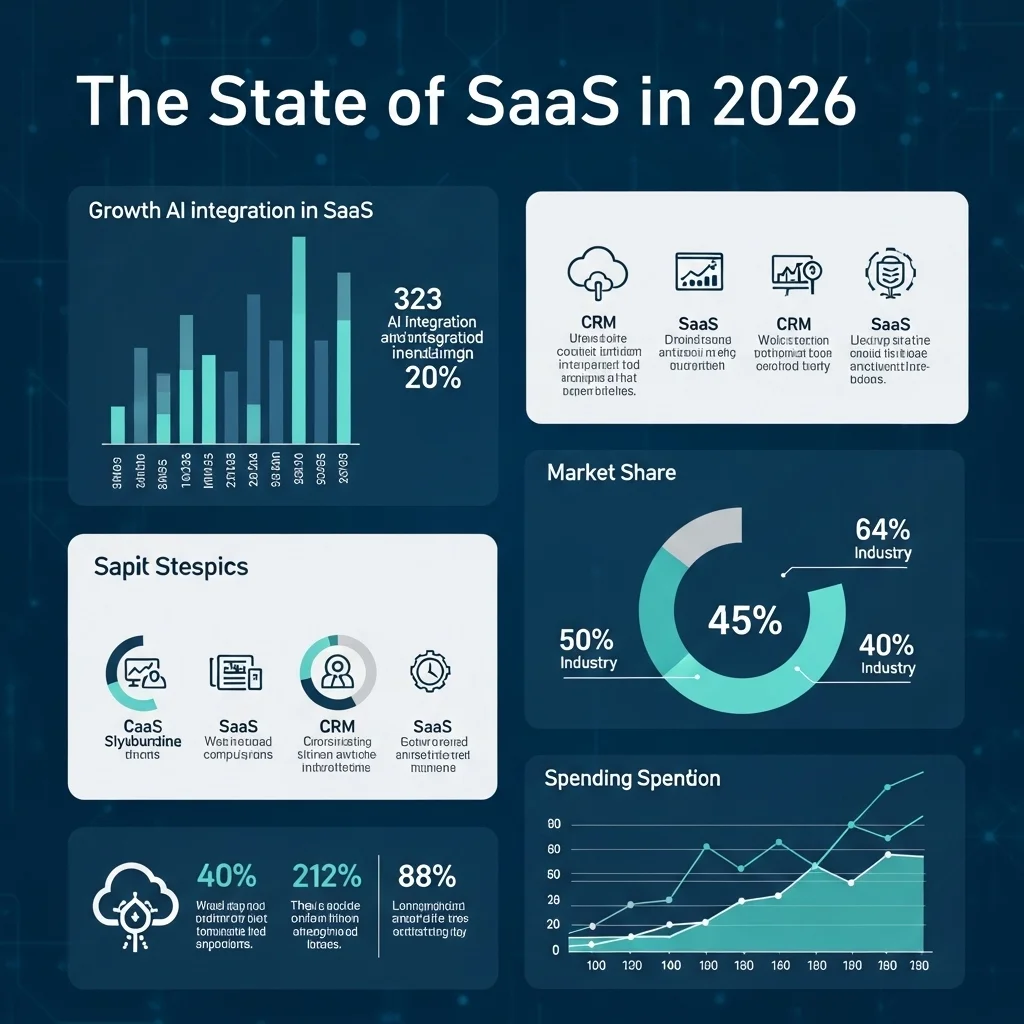
To begin with, we will discuss the place we are in. SaaS market is mature and is not at the stage of moving everything to the cloud. It is no longer a question of whether they should or should not use cloud software but rather it is a question of which tools are worth investing in based on the reduced budget being experienced and every subscription must be able to demonstrate its value to it.
The three key trends that I have observed this year are that consolidation platforms are carrying the day, AI features have become a matter of course (how useful they actually are is highly variable); privacy-sensitive alternatives are making substantial inroads on the incumbents.
Communication Tools: Not So Obvious.
Slack and Microsoft Teams are the leading ones, but they have been starting to hike the prices when the functionality has not changed. I have been impressed by the founders of Todoist (Twist), in genuine means. It supports asynchronous communication, which better fits the nature of distributed team working in 2026 instead of imposing the always-on ethos that is overwhelming people.
One of the software firms that I was employed with had adopted Twist and indicated that there was a 40 percent drop in the number of messages that were classified as urgent, yet were not really urgent. The threading model compels the individual to think prior to typing, and this is easy to say, but a great deal to achieve.
Customer Relationship Management: Bigger than Big Blue.

HubSpot has become the default CRM of all companies with under 100 employees, and I can tell why. Their free version is very strong and the paid versions are reasonably priced. I have applied it to three clients over the last eighteen months and the experience of onboarding has become much better.
Nonetheless, Attio is a difficult competitor worthy of mention. They have redefined the CRM at the bottom up on how individuals actually work today multiplayer collaboration, flexible data models and an interface that is not from 2008. I took it to a venture capital company managing hundreds of relationships and options of customization impressed five times the sale price offered by Salesforce.
The caveat? The ecosystem at Attio is not as developed. You will have major tool integrations but when you involve niche software in your stack, you may be bumping your head.
Financial Management: Inside Accuracy Counts.
I am not going to polish this with rosy colors, QuickBooks Online and Xero are still the leaders by a reason. Accounting is not the place where you would like to test the new-fangled startup unless you like explaining the difference to your tax counsel.
With this said, Puzzle has become an experience that is truly more fulfilling in terms of startups and small businesses that require bookkeeping, but not complicated inventory or multi-currency tracking features. I have referred it to one of my SaaS founder friends, and she explained that it was QuickBooks that had not cried RC. The automatic classification is in fact functional and the dashboard informs you of some useful details, rather than merely showing some numbers.
The AI Elephant in Every Room
This is the message that no one would ever post publicly: in 2025-2026, the vast majority of the so-called AI-driven features that SaaS vendors will be attaching to their systems are hacks of third-rate parlor tricks. Yes, AI is able to write emails and summarize documents, although I have hardly encountered such functionalities alter working processes.
The exceptions? Meeting transcription and analysis grain have been valid to transform the way I make client calls. Rather than panicking to make notes, I would have the ability to pay attention to the discussion. I have saved hours of time searching who said what when in the searchable transcript library.
Jasper and other AI writing aids have their merits, yet after trying them repeatedly, they are only useful in getting out of writer block and experiencing first drafts that you will carefully go through to revise extensively. Not the revolution they are advertising.
What’s Worth Your Money in 2026?
Having gained much practical experience, it is my sincere evaluation:
- Most businesses need: A good email service (I still use Fastmail because of privacy concerns at higher levels), good project management (depending on the complexity, I should use Notion or ClickUp), simple CRM (HubSpot is free or I can use Attio), and a cloud storage system (I have since switched to Proton Drive due to too many Google Drive permission issues).
- Nice-to-haves, which drive ROI: Meeting automation software such as Calendly, financial software, and industry-specific tools to write (in my case, writing software such as Hemingway and Grammarly).
- Can be avoided: Always all-in-one, even promises to be everything aspect, high-end analytics platforms when Google Analytics still gets the job done, anything with an AI-powered in the corner.
The best advice I can give? You should start with the smallest amount possible and only add tools when you feel the pain of their absence and also unmercifully cancel the subscriptions you do not visit on a month basis. I conduct a quarterly audit of SaaS and typically can identify at least one tool between $ 20 and 50 a month that no one has accessed within the last few weeks.
FAQs
Are free versions of SaaS applications worth using?
Yes, in particular, to small teams or individuals in business. There are numerous tools that have truly useful free versions (HubSpot, Notion, Slack) which you can use permanently. The only time you upgrade is when you have hit definite limitations.
What is the number of subscriptions of SaaS necessary in an average small business?
According to my experience, 8-15 paid SaaS tools are employed by the majority of operational small businesses, yet most of them might reduce it to 5-8 without any productivity loss.
Should SaaS tools be changed in order to save money?
Sometimes, but include time of migration, learning curves, and possible loss of data. Some tool that would cost an extra $50/month could be worth the cost, provided that the switching would require 20 hours of labour.
Is it better to pay yearly or monthly towards SaaS?
The 15-20 minutes saved in annual payments are typically the norm, although they only make a commitment in case you are in any way sure about the tool. I have wasted money paying ahead the tools that could not suit our purpose after three months.
What can I do to understand whether a new SaaS solution is a legitimate one or will go dead?
Look at their funding (when it is public), customer reviews by actual users, integration ecosystem, and whether they have other players in the market which is ironic as a sign that the market is real.
Leave a Reply